Is a Stand Mixer Worth It for Home Baking?
A stand mixer is worth it for regular baking, repeated batches, and dough recipes within its limits. For occasional cakes, whipped cream, and small batches of cookies, a hand mixer usually earns its space more easily.
On this page (9 sections)
- Is a stand mixer worth it for home baking?
- What kinds of baking benefit most from a stand mixer?
- When is a hand mixer the better choice?
- Could a combination mixer be a practical middle ground?
- How often do you need to bake for a stand mixer to be worth it?
- How much counter and storage space does a stand mixer need?
- What should you compare before buying a stand mixer?
- How do you get useful results and avoid common mistakes?
- Is a stand mixer worth it for you?
A stand mixer is worth it if regular baking involves long mixing, repeated batches, or suitable bread dough. For occasional cakes and whipped cream, a hand mixer usually handles the work with less storage space.
The useful question is which job you want the machine to take over. Holding a mixer through several batches is a stronger reason to buy one than hoping a new appliance will make you bake more.
Is a stand mixer worth it for home baking?
A stand mixer earns its place when supported, hands-free mixing removes a repeated chore. It holds the bowl and attachment while you measure the next ingredient or prepare a pan nearby.
You still need to watch the mixture, stop to scrape when needed, and check its texture. Hands-free mixing doesn't mean leaving the kitchen.
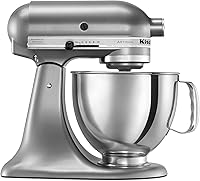
The Vivohome 6-Qt Tilt-Head suits a baker who wants a dedicated machine for recurring batches. It includes 10 speeds, a beater, dough hook, wire whip, and egg separator.
Its splash guard provides an opening for adding ingredients, while suction cups help secure the base. Start dry ingredients slowly rather than relying on the guard to contain a cloud of flour.
Skip this model if your main jobs are tiny mixtures or you lack space to raise the head. A large bowl isn't automatically useful for small quantities, because the attachment must reach the ingredients.
For a broader overview of machine types and uses, read stand mixers for home bakers.
What kinds of baking benefit most from a stand mixer?
Repeated cookie batches, creamed cake mixtures, and suitable bread dough offer clear reasons to use a stand mixer. Quick recipes mixed briefly with a spoon offer much less reason to buy one.
Is a stand mixer worth it for bread dough?
A stand mixer can be worth it for regular bread making if kneading is the work you want help with. Check the manual's flour limits, dough types, speeds, and run times before choosing a machine.
Bowl volume measures space, not how much stiff dough the motor can knead. Don't double a bread recipe simply because the ingredients fit inside.
Hand kneading remains practical for occasional loaves and lets you learn how dough changes as it develops. Our guide to kneading dough with a stand mixer explains the process, while stand mixers for bread dough focuses on choosing a machine for that task.
When does a hand mixer make more sense for cookies and cakes?
A hand mixer makes sense for small batches that need brief beating or creaming. You can guide the beaters through your own bowl and put the appliance away afterward.
The KitchenAid Ultra Power Hand Mixer KHM512 suits occasional bakers who want straightforward controls and less weight to hold. It weighs 2 lb, and its lockable swivel cord helps keep the cord out of your mixing path.
The stainless steel beaters are dishwasher-safe and release with a button. Skip it if your main goal is hands-free work or bread kneading, since its included tools are beaters rather than dough hooks.
For cookies, soften butter as the recipe directs instead of forcing beaters through cold chunks. Once flour goes in, mix only until the recipe's required texture develops.
Use what you can make with a stand mixer to identify jobs you'd repeat, rather than counting recipes you might try once.
When is a hand mixer the better choice?
Choose a hand mixer for occasional baking, flexible bowl use, and easy storage. It is also useful when you want to move between separate mixtures without transferring everything into a dedicated mixer bowl.
The Hamilton Beach 6-Speed Hand Mixer suits bakers who want a whisk alongside traditional beaters. Its snap-on case keeps those tools together, which helps if loose attachments tend to disappear into drawers.
It also has QuickBurst and a Bowl Rest for setting the stopped mixer on the bowl edge between steps. Check that your bowl sits securely before resting the appliance on it.
Skip this option if holding and guiding the motor is the task you want to avoid. An extra burst of power doesn't turn a handheld appliance into a stationary mixer.
The stand mixer vs hand mixer guide compares everyday use, while how to choose a stand mixer helps once you've decided on a countertop machine.
Could a combination mixer be a practical middle ground?
A combination mixer suits small batches and a need for both mixing modes. Choose it because you'll use that flexibility, rather than expecting every capability of a larger dedicated stand mixer.
The bella 3.5-Qt Hand and Stand Mixer includes 2 bowls, 1 stainless steel and 1 plastic, plus beaters and dough hooks. Separate bowls can help when a recipe needs two mixtures prepared before combining them.
Its accessories nest inside the bowls for storage, and the bowls and accessories are dishwasher-safe. The cover plate also works as a bench scraper and dough cutter.
Pick it if you want stationary mixing for some steps and handheld control for others. Skip it for routinely large batches, and check its kneading instructions before planning dense bread dough around the included hooks.
How often do you need to bake for a stand mixer to be worth it?
Weekly use is a useful starting point, but the effort involved matters more than a fixed schedule. A monthly baking day with several batches may justify a mixer better than weekly muffins stirred briefly by hand.
Write down your next few likely baking projects and the step you'd use the mixer for. If most entries involve brief stirring, your current tools may already cover your needs.
Also consider access: an appliance kept within reach is easier to use than one buried behind other equipment. If setup and cleanup take longer than the mixing job, the convenience shrinks.
How much counter and storage space does a stand mixer need?
Measure working space as well as storage space before choosing a mixer. You'll need room for the bowl, attachment changes, and adding ingredients without awkward reaching.
Check counter depth, nearby outlets, and clearance under cabinets. Tilt-head machines need room above the body when open, while bowl-lift designs have their own access needs.
Allow space beside the machine for ingredients and a spatula. A mixer that fits tightly into a corner may still be awkward to use there.
See what size stand mixer you need for batch planning and tilt-head vs bowl-lift stand mixers for access differences.
What should you compare before buying a stand mixer?
Compare recipe limits, attachment fit, and working space before speed counts or motor wattage. Wattage alone doesn't show how different mixers will handle the same dough.
Use this short checklist:
- Usual batch: Match the machine to recipes you repeat, including their flour amounts.
- Smallest batch: Check minimum quantities so the attachment can reach the mixture.
- Included tools: Look for the beater, whisk, or hook your recipes require.
- Care instructions: Check each attachment separately before assuming everything can enter the dishwasher.
- Setup effort: Consider lifting, bowl locking, and where accessories will live.
If you're comparing brands, why KitchenAid mixers cost more explains factors to weigh. The best stand mixers for home bakers guide helps match options to your baking needs.
How do you get useful results and avoid common mistakes?
Start with secure parts, the correct attachment, and a low speed. Place the mixer on a clean, dry, level counter, then lock the bowl and head as its instructions require.
Use a beater for creaming and ordinary batters, a whisk for suitable aerated mixtures, and a dough hook for approved dough recipes. Follow the recipe and manual where their directions are more specific.
Stop the motor before scraping, changing tools, or checking the mixture with a utensil. A flexible-edge beater can reduce scraping, but still inspect the bowl for unmixed pockets.
Watch the mixture rather than relying only on the clock. Overwhipping cream and overmixing flour-based batter are easier when the machine keeps running while your attention shifts elsewhere.
After use, unplug the mixer and remove its tools before cleaning. Wash approved removable parts as directed, wipe the motor housing, and dry everything before storage.
Don't increase speed to force a struggling dough through the machine. Stop and check the batch size and instructions instead.
Is a stand mixer worth it for you?
A stand mixer is worth it when a recurring baking job needs less effort, and you have room to use the machine comfortably. Choose the Vivohome for dedicated countertop mixing after checking its recipe limits, or the bella for smaller batches across both mixing modes.
Choose the KitchenAid hand mixer for occasional beating with less weight to hold. Pick the Hamilton Beach if a whisk and attachment storage are priorities.
Before ordering, take one recipe you make often and check its batch size against the machine's instructions. Use the complete stand mixer buying guide to turn that recipe and your available space into a final choice.
Frequently asked questions
Is a stand mixer worth it for occasional baking?
A hand mixer is usually enough for occasional cakes, whipped cream, and small batches of cookies, especially if storage is tight. A stand mixer becomes more useful when your occasional projects involve several batches or lengthy mixing, so judge the work involved as well as how often you bake.
Is a stand mixer better than a hand mixer?
A stand mixer is better for supported, hands-free mixing, while a hand mixer is easier to move between bowls and store after use. Choose by your usual recipes and batch sizes, since a larger appliance offers little benefit if most of your baking needs only brief mixing.
Can a stand mixer knead bread dough?
A stand mixer can knead bread dough when its instructions allow the recipe, batch size, attachment, and speed you plan to use. Follow its flour limits and kneading guidance rather than judging by bowl size alone, and stop if the machine struggles or moves across the counter.
What should I buy if I am unsure about getting a stand mixer?
Choose a hand mixer if your current recipes need short mixing sessions and you have no regular use for a dough hook. Consider a combination model for small batches in either mixing mode, or a dedicated stand mixer when holding a mixer is the part you want to avoid.